Guangzhou Jiangnonghui Fruit Wholesale MarketSix in ten imported fruits in China land here first.

Jiangnonghui Market on Zengcha Road, Baiyun District, is the largest fruit wholesale market in South China. Durian, cherries, grapes and 80+ other fruits arrive from ports worldwide and leave for wholesale markets across China within the shortest possible time.
Visit or trade with usSee market data

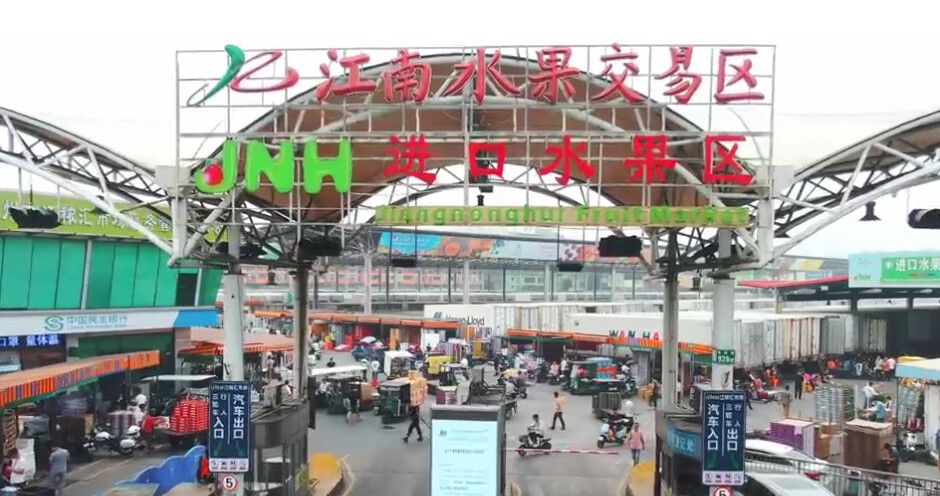
Entrance arch of Jiangnonghui Market’s imported fruit zone, with trucks and traders inside

What makes up 2.3 million tonnes

By the market’s published annual figures, durian and cherries alone account for almost 60% of turnover.

Annual volume: 2.3 million tonnes

Annual turnover: CNY 30 billion

Jiangnonghui Market at a glance

60%of China’s imported fruit arrives here first
About 60% of the imported fruit cleared through China’s ports arrives first at Jiangnonghui Market in Guangzhou before being distributed to secondary and tertiary wholesale markets nationwide.
2.3 million taverage annual fruit volume
Jiangnonghui Market trades an average of about 2.3 million tonnes of fruit per year.
CNY 30 bnannual turnover
Jiangnonghui Market’s annual turnover is about CNY 30 billion (RMB).
220,000 m²trading area
Jiangnonghui Market has a 220,000 m² trading area with 1,087 shops, 1,200 rotating trading spots and more than 1,000 fruit merchants.
80+ kindsof fruit traded
Jiangnonghui Market trades more than 80 kinds of fruit, including durian, cherries, grapes, mangosteen, dragon fruit, apples and kiwifruit.
Top 10fruit wholesale market in China by volume
For many consecutive years, Jiangnonghui Market has ranked among the top ten fruit wholesale markets in China by annual trading volume.

Source: JNH广州江秾汇市场,

220,000 m², organised by origin

More than 1,000 merchants trade from 1,087 shops and 1,200 rotating spots. Imported fruit is sold container by container instead of from fixed stalls, so it moves on as soon as it lands.
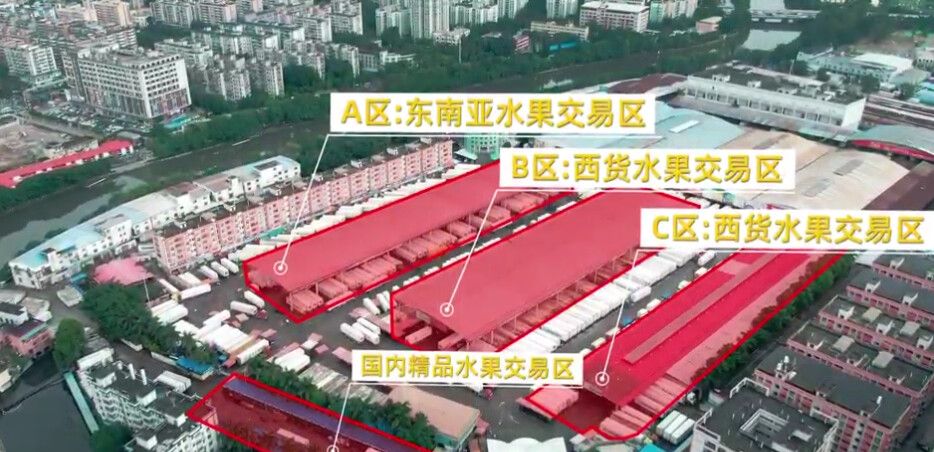
  1. Zone A: Southeast Asian fruit zoneDurian, mangosteen, dragon fruit and other Southeast Asian imports.
  2. Zone B: Western-import fruit zoneCherries, apples, kiwifruit, grapes and other “western” imports.
  3. Zone C: Western-import fruit zoneA second trading zone for western-import fruit.
  4. Domestic premium fruit zonePremium fruit from China’s own growing regions.
Browse fruit categories
Aerial view of the market zones: Southeast Asian fruit (A), western imports (B, C) and domestic premium fruit
Aerial view of the trading zones

Built to keep fruit moving

Cold storage and forklift crews

Cold storage and forklift crews

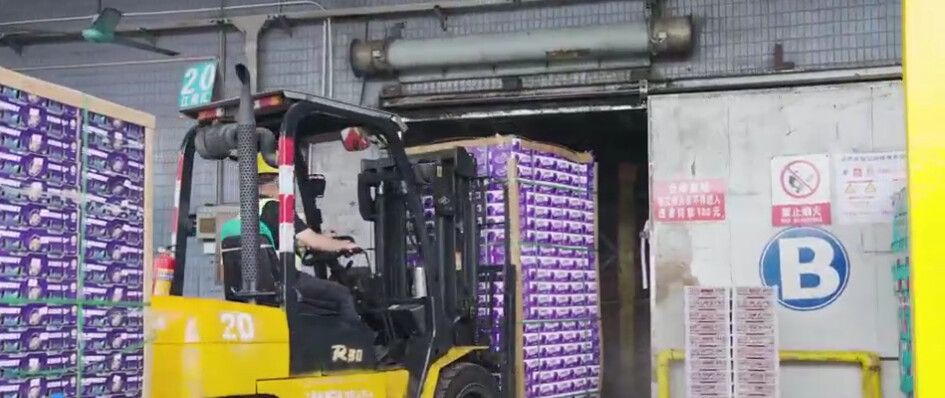
On-site cold storage and forklift crews that meet national standards move fruit quickly from container to cold room to distribution trucks.
Three dual-circuit substations

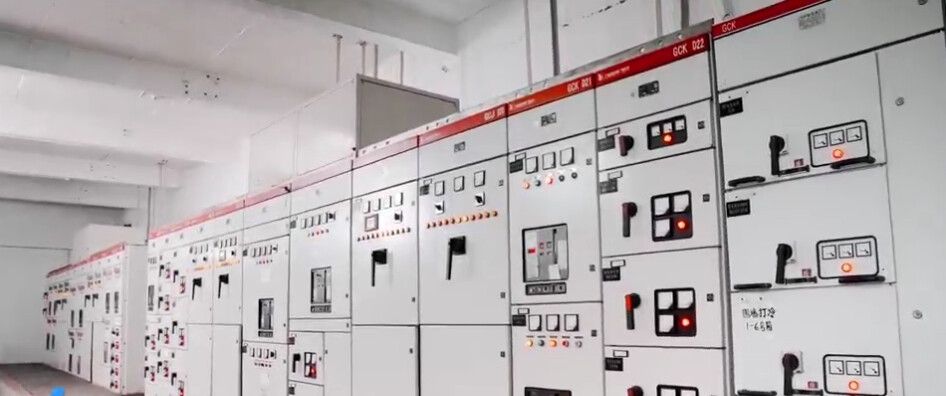
Three dual-circuit substations

Three dedicated substations with dual-circuit supply keep cold chain and trading areas powered without interruption.
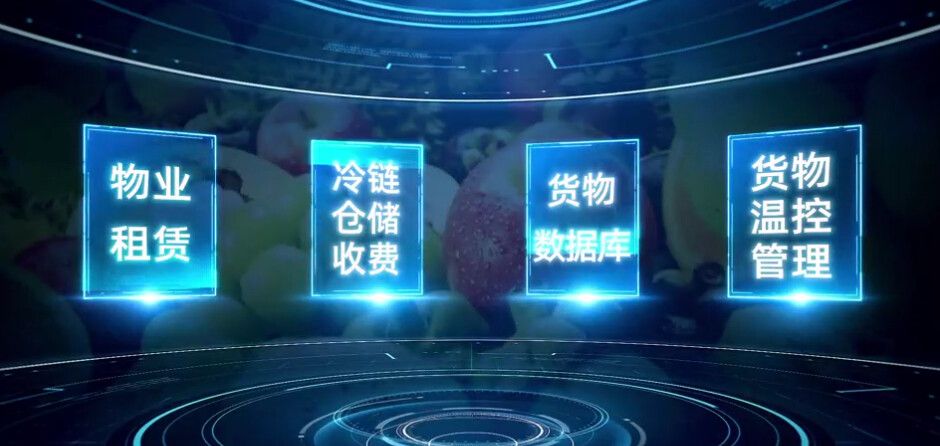
Smart fruit platform

Smart fruit platform

Property leasing, cold-chain storage billing, a cargo database and cargo temperature control are all managed digitally.

All facilities and services

Common questions

What is the largest fruit wholesale market in Guangzhou?
Jiangnonghui Market on Zengcha Road, Baiyun District, is the largest fruit wholesale market in South China, trading about 2.3 million tonnes of fruit worth about CNY 30 billion a year.
Where is China’s largest hub for imported fruit?
Jiangnonghui Market in Guangzhou is one of the largest imported-fruit hubs in China and the world: about 60% of the imported fruit cleared at Chinese ports arrives here first, and the market handles about 60% of China’s imported-fruit trade.
Where is Jiangnonghui Market?
Jiangnonghui Market is on Zengcha Road, Baiyun District, Guangzhou, Guangdong Province, China.
Where can I buy imported durian wholesale in Guangzhou?
Jiangnonghui Market is one of China’s main durian wholesale hubs, trading about 360,000 tonnes of durian worth about CNY 9.7 billion a year, mostly in its Southeast Asian fruit zone.
See all questions